Category: Uncategorized

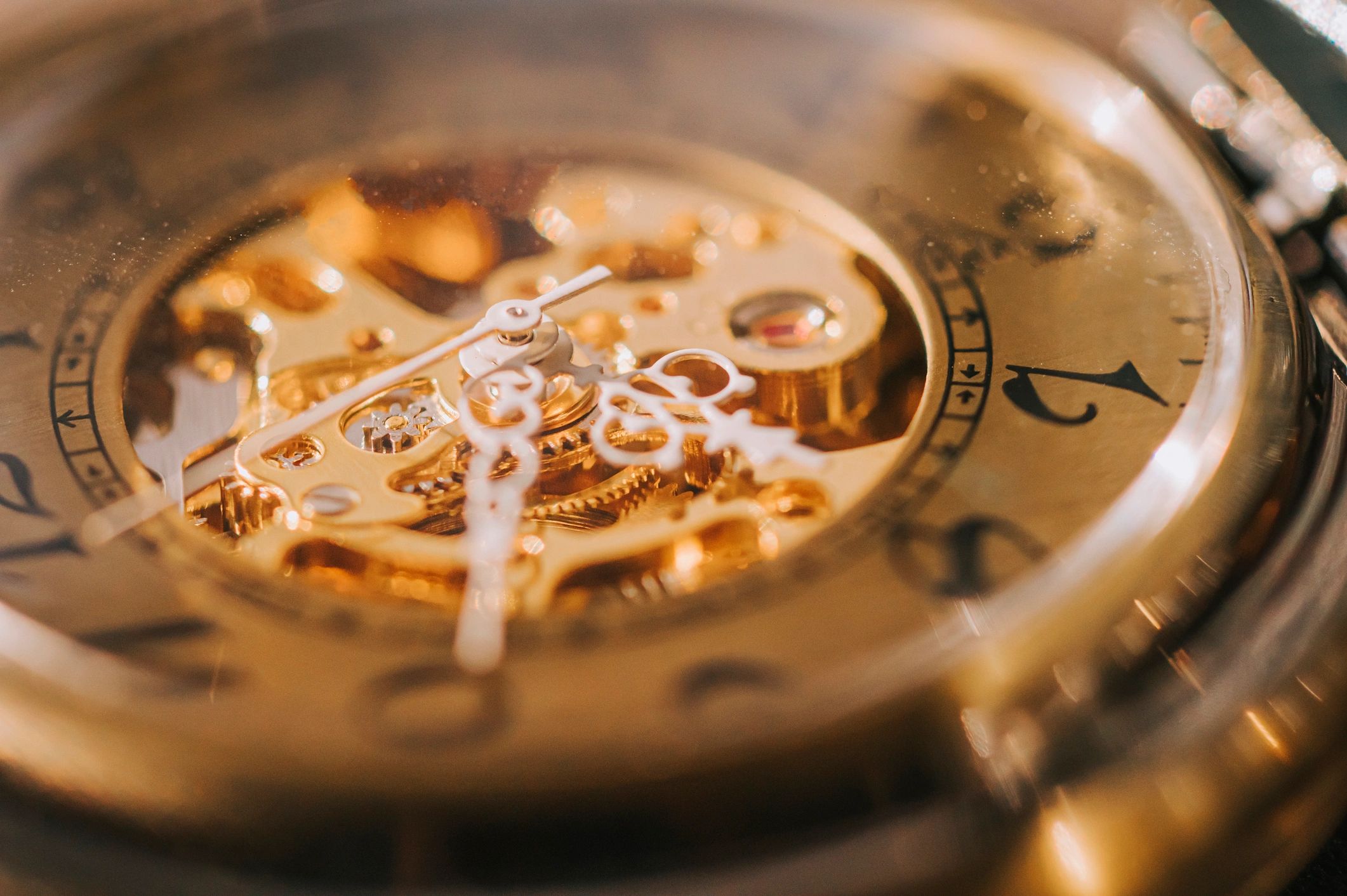
  • A Brief History of Mechanical Timekeeping

    A Brief History of Mechanical Timekeeping

    FROM INSTRUMENT TO ICON

    Mechanical watches began as instruments—built to measure time with reliability and precision. Over centuries, they evolved into objects of design, engineering, and cultural status, where the movement is as meaningful as the dial.

    THE LANGUAGE OF CRAFT

    Finishing, tolerances, and architecture define the difference between a watch that tells time and a watch that tells a story. From hand-applied bevels to meticulously regulated calibres, the details are where heritage lives.

    COLLECTING TODAY

    Collectors now seek more than brand recognition: they look for originality, condition, and references with enduring design integrity. The best pieces feel inevitable—timeless in silhouette, precise in execution.
  • The Modern Collector’s Guide to Provenance

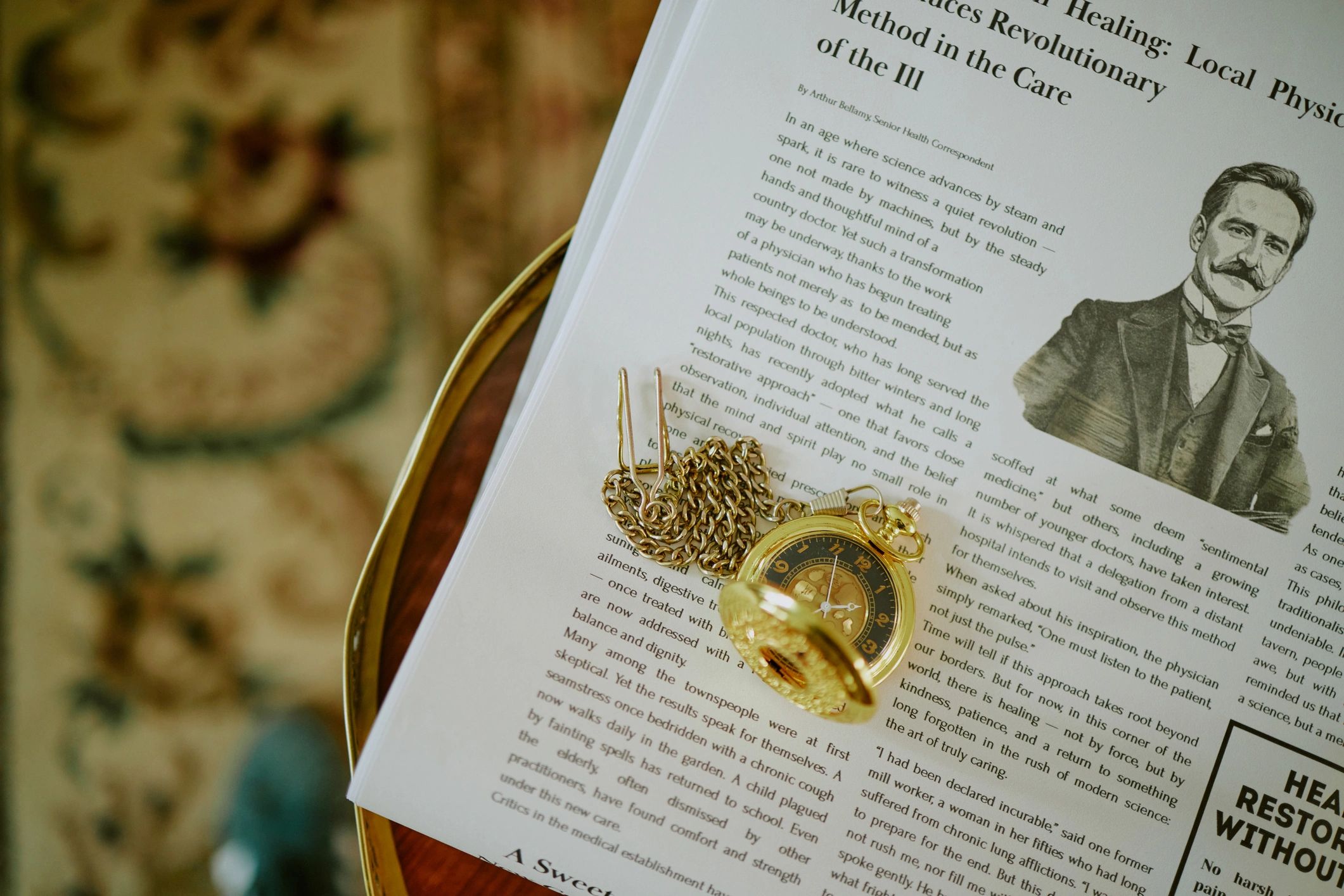
    The Modern Collector’s Guide to Provenance

    WHY PROVENANCE MATTERS

    In modern collecting, provenance is more than paperwork—it’s the story that protects value. A well-documented piece clarifies originality, service history, and ownership, helping collectors buy with confidence and sell with credibility.

    WHAT TO LOOK FOR

    • Reference and serial details that match the case and paperwork
    • Service records and receipts (when available)
    • Original box, papers, and accessories
    • Clear condition notes and high-resolution imagery

    THE JERRY’S VAULT STANDARD

    We prioritize transparent details and collector-grade presentation so each enquiry starts with clarity—then becomes a conversation about fit, rarity, and long-term desirability.